Mastering Visual Depth: The Art of 3D Polygonal Network Design in Digital Crafting
In the evolving landscape of digital art and graphic design, the intersection of mathematical precision and aesthetic appeal has given rise to a compelling visual trend: 3D Polygonal Network Design. This style, characterized by interconnected lines, vertices, and geometric facets, creates an illusion of depth and complexity that flat designs often lack. For creators, educators, and business owners alike, understanding how to leverage these intricate patterns can significantly elevate the perceived value and professionalism of any project. Whether you are designing a corporate brochure, crafting personalized invitations, or developing background assets for web interfaces, the strategic use of geometric digital paper patterns offers a versatile solution that bridges modern technology with timeless artistic principles.
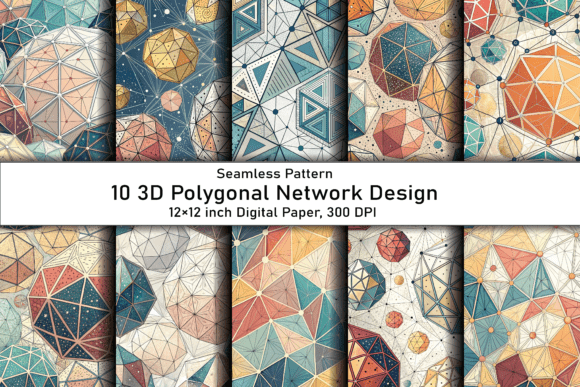
The appeal of polygonal networks lies in their ability to convey connectivity and structure. Visually, they resemble constellations, neural networks, or architectural blueprints, making them particularly effective for projects that require a sense of innovation, stability, or technological sophistication. However, their utility extends far beyond tech-themed designs. When rendered in soft pastels, vibrant hues, or monochromatic schemes, these geometric forms become adaptable textures suitable for scrapbooking, card making, and high-end print media. The key to mastering this style is not just in the creation of the shapes but in the quality and resolution of the final assets used in production.
The Technical Foundation of High-Resolution Geometric Assets
When integrating complex designs like 3D polygonal networks into physical or digital products, resolution is paramount. A common pitfall for many hobbyists and emerging designers is the use of low-resolution images that appear crisp on a screen but pixelate when printed. To ensure professional results, it is essential to work with assets that meet strict technical standards. High-quality digital papers should ideally be provided at 300 DPI (dots per inch), which is the industry standard for sharp, clear printing.
Consider the dimensions of your canvas. A standard 12 x 12 inch square, commonly used in scrapbooking and craft projects, translates to 3600 x 3600 pixels at 300 DPI. This high pixel count ensures that every line of the polygonal network remains crisp, even when viewed up close. Furthermore, the availability of both PNG and JPG formats provides flexibility for different workflows. PNG files, with their support for transparency, are invaluable for layering designs without unwanted white backgrounds, allowing the geometric patterns to blend seamlessly with other elements. JPG files, on the other hand, offer smaller file sizes and are ideal for full-background applications where transparency is not required.
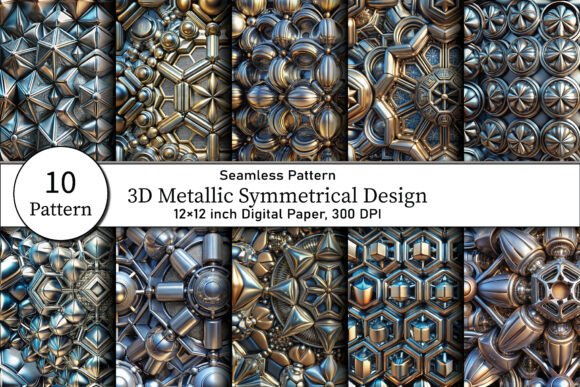
By utilizing a collection that includes ten unique high-quality digital paper patterns in both formats, creators can maintain consistency across a project while varying the visual texture. This variety prevents design fatigue and allows for a cohesive yet dynamic presentation. The absence of watermarks in premium collections further streamlines the workflow, enabling immediate use in commercial and personal projects without the need for tedious editing or licensing negotiations.
Versatile Applications Across Creative Industries
The versatility of geometric digital paper patterns makes them a valuable resource for a wide array of creative endeavors. Their structured yet organic appearance allows them to adapt to various themes and purposes, proving that mathematical beauty has a place in both functional and decorative design.
Enhancing Personalized Stationery and Invitations
For event planners and individuals creating custom stationery, polygonal networks add a contemporary edge to traditional formats. Wedding invitations, birthday cards, and save-the-date notices benefit from the subtle elegance of these designs. When used as a background, a low-opacity polygonal pattern can provide texture without overwhelming the text. For a bolder statement, high-contrast geometric borders can frame essential information, drawing the eye naturally to the details of the event. The clean lines of the 3D polygonal network design complement modern typography, creating a harmonious balance between form and function.
Elevating Scrapbooking and Memory Keeping
Scrapbooking is an art form dedicated to preserving memories, and the choice of background paper sets the tone for each page. Geometric patterns offer a neutral yet interesting backdrop that allows photos and memorabilia to stand out. Unlike floral or overly thematic papers, geometric designs are timeless and do not date the layout. They can be used to create visual pathways that guide the viewer’s eye through the narrative of the page. Additionally, the precision of the lines can help align elements, serving as a subtle grid for organizing photos and journaling blocks.
Professional Branding and Commercial Use
In the corporate world, image is everything. Businesses in technology, finance, engineering, and consulting often seek visuals that communicate reliability, innovation, and connectivity. 3D polygonal networks are inherently suited to these industries. They can be used in presentation decks, report covers, and marketing materials to reinforce brand identity. For small business owners, incorporating these patterns into product packaging or promotional flyers can elevate the perceived quality of the brand. The professional touch provided by high-resolution, seamless designs signals attention to detail and a commitment to quality.
Sublimation and Craft Projects
The rise of sublimation printing has opened new avenues for using digital patterns on physical objects. From mugs and phone cases to t-shirts and tote bags, geometric designs transfer beautifully onto various surfaces. The high resolution of 300 DPI ensures that the intricate details of the polygonal networks remain sharp even on curved or textured surfaces. Crafters can also use these digital papers for decoupage, card making, and mixed media art, where the layered effect of the geometric shapes adds depth and interest to handmade items.
Strategic Implementation for Maximum Impact
To truly harness the power of geometric digital paper patterns, one must consider how they interact with other design elements. Here are some practical strategies for integrating these assets effectively:
- Contrast and Legibility: Always ensure that text placed over a polygonal background is legible. If the pattern is busy, consider using a solid color overlay with reduced opacity to create a calm area for text. Alternatively, choose patterns with ample negative space.
- Color Harmony: Select patterns that complement your primary color palette. Monochromatic polygonal designs can add texture without introducing new colors, while multicolored networks can serve as the focal point of the design.
- Layering Techniques: Use PNG files to layer multiple geometric elements. Combining a large, faint polygonal background with smaller, sharper geometric accents can create a sense of depth and dimensionality that mimics true 3D design.
- Consistency in Branding: If using these patterns for business purposes, select a specific set of geometric styles and stick to them across all materials. This consistency helps build brand recognition and a cohesive visual identity.
Moreover, the ease of access to these resources cannot be overstated. With instant download options, creators can begin their projects immediately, reducing downtime and accelerating the creative process. The availability of ready-to-use, watermark-free files means that designers can focus on creativity rather than technical preparation. This efficiency is crucial for professionals managing tight deadlines and hobbyists looking for quick, satisfying results.
The Future of Geometric Design in Digital Media
As digital tools become more advanced, the complexity and realism of 3D polygonal network designs will continue to evolve. We are seeing a trend towards more dynamic, interactive geometric patterns in web design, where animations respond to user input. However, the foundational principles remain the same: clarity, structure, and aesthetic balance. For now, static high-resolution digital papers remain a cornerstone of printable and digital design, offering a tangible connection to the digital world.
By incorporating these geometric patterns into your workflow, you are not just adding decoration; you are leveraging a visual language that speaks to order, innovation, and modernity. Whether you are a seasoned designer or a beginner exploring the world of digital crafts, the right geometric assets can transform ordinary projects into extraordinary creations. The blend of mathematical precision and artistic freedom found in 3D polygonal network design offers endless possibilities for expression.
In conclusion, the value of high-quality geometric digital paper patterns lies in their adaptability and professional finish. By choosing assets that meet high technical standards—such as 300 DPI resolution and versatile file formats—you ensure that your creations look polished and purposeful. From scrapbooking layouts to corporate branding, these designs provide a sophisticated backdrop that enhances rather than distracts. As you embark on your next creative project, consider the impact of structured geometry. Downloading a comprehensive collection of these patterns is an investment in your creative toolkit, empowering you to produce work that is both visually striking and technically sound. Start creating today, and let the precision of polygonal networks elevate your design narrative.