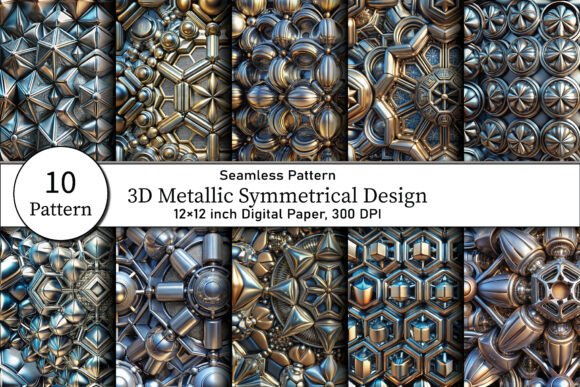
3D Metallic Symmetrical Design: Elevating Digital Art with High-Resolution Textures
In the rapidly evolving landscape of digital design, the demand for assets that bridge the gap between tactile realism and digital flexibility has never been higher. Creators across various industries are constantly seeking resources that offer both aesthetic depth and technical precision. One such resource that has gained significant traction is the integration of 3D metallic symmetrical design elements into broader creative workflows. These designs are not merely decorative; they serve as foundational layers that can transform ordinary projects into visually striking compositions. When combined with artistic digital paper backgrounds, these metallic textures provide a unique interplay of light, shadow, and structure that captivates viewers and enhances the perceived value of the final product.
The concept of symmetry in design taps into a fundamental human preference for balance and order. However, when this symmetry is rendered with three-dimensional metallic effects, it introduces a layer of sophistication and modernity. The reflective qualities of metal, simulated through high-resolution digital rendering, create dynamic visual interest that changes depending on the viewing context. This makes such assets incredibly versatile for professionals who need their work to stand out in both print and digital mediums. By utilizing high-quality patterns, designers can achieve a level of polish that often requires extensive manual editing or expensive physical materials.
The Technical Advantage of High-Resolution Digital Assets
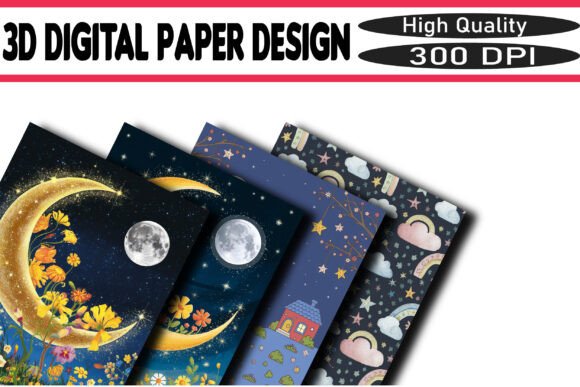
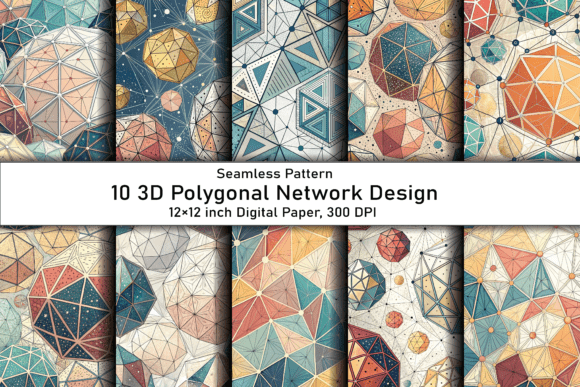
One of the most critical aspects of any digital design resource is its resolution and file format compatibility. For professional results, especially in print media, the standard requirement is 300 DPI (dots per inch). A collection offering files at 3600 x 3600 pixels ensures that every detail of the 3D metallic symmetrical design remains crisp and clear, regardless of the output size. This high resolution is essential for large-format printing, such as packaging, posters, or wall art, where pixelation can severely detract from the overall quality.
The inclusion of both PNG and JPG formats in a comprehensive bundle addresses different workflow needs. PNG files, with their support for transparency, are ideal for layering metallic elements over other designs without unwanted backgrounds. This allows for seamless integration into complex compositions where the metallic texture needs to interact with underlying colors or images. On the other hand, JPG files provide a compact, high-quality option for full-background applications where transparency is not required. Having access to both formats eliminates the need for additional conversion steps, streamlining the design process and saving valuable time.
Furthermore, the absence of watermarks is a crucial feature for professional use. Watermark-free graphics ensure that the final output is clean and ready for commercial distribution. This is particularly important for designers working on client projects, where brand integrity and visual clarity are paramount. The ability to download and use these assets immediately without legal or visual obstructions enhances productivity and allows creators to focus on the creative aspects of their work rather than administrative hurdles.
Versatility Across Creative Industries
The application of artistic digital paper backgrounds extends far beyond simple scrapbooking. While hobbyists and DIY enthusiasts find immense value in these resources for personal projects like invitation cards and photo albums, professional designers leverage them for more complex commercial purposes. The 3D metallic symmetrical design aesthetic, in particular, lends itself well to industries that prioritize luxury, precision, and modernity.
- Packaging Design: In the consumer goods sector, packaging is often the first point of contact between a brand and its customer. Metallic textures convey a sense of premium quality and durability. Using symmetrical patterns can create a sense of harmony and reliability, which are desirable traits for brands in technology, cosmetics, and gourmet food sectors.
- Digital Marketing Materials: Social media graphics, website banners, and email newsletters benefit from eye-catching backgrounds. The reflective nature of metallic designs draws attention in crowded digital feeds, increasing engagement rates. The symmetry ensures that text and call-to-action buttons can be placed centrally without disrupting the visual balance.
- Editorial and Print Media: Magazines, brochures, and annual reports often require sophisticated background elements that do not overpower the text. Subtle metallic textures provide just enough visual interest to keep the reader engaged while maintaining readability. The high resolution ensures that these textures look professional even in high-quality print runs.
- Textile and Surface Design: Fashion designers and interior decorators can use these digital patterns as inspiration or direct prints for fabrics, wallpapers, and home decor items. The seamless nature of some patterns allows for continuous repetition, which is essential for large-scale surface applications.
Each of these use cases highlights the adaptability of the digital paper pack. Whether the goal is to create a bold statement piece or a subtle background element, the variety of styles included in a comprehensive bundle ensures that there is a suitable option for every project requirement.
Understanding the Aesthetic Appeal of Symmetry and Metal
The psychological impact of design elements cannot be overstated. Symmetry is universally recognized as a marker of beauty and stability. In nature, symmetry is often associated with health and vitality, which translates into a subconscious preference for symmetrical designs in art and commerce. When this natural preference is combined with the industrial chic of metallic finishes, the result is a powerful aesthetic that feels both organic and engineered.
3D metallic symmetrical design achieves this by mimicking the way light interacts with physical metal surfaces. Highlights, shadows, and gradients are carefully calculated to create the illusion of depth and volume. This realism adds a tactile quality to digital images, making them feel more tangible and engaging. For viewers, this can evoke feelings of luxury, strength, and innovation.
Moreover, the artistic interpretation of these elements allows for a wide range of stylistic expressions. From sleek, minimalist lines to intricate, baroque-inspired patterns, the versatility of metallic textures enables designers to tailor their work to specific brand identities or artistic visions. This flexibility is what makes such digital assets indispensable in a diverse creative toolkit.
Implementing Digital Papers in Your Workflow
Integrating high-quality digital papers into your design workflow requires an understanding of layering and composition. Start by selecting a base pattern that aligns with the mood and message of your project. For a 3D metallic symmetrical design, consider how the light source in your overall composition will interact with the metallic elements. Adjusting opacity and blending modes in your design software can help integrate the texture seamlessly with other elements.
- Select the Right Format: Choose PNG for layered designs requiring transparency and JPG for full-background uses.
- Check Resolution: Ensure the 300 DPI setting is maintained for print projects to avoid quality loss.
- Experiment with Blending Modes: Use modes like Overlay, Multiply, or Screen to blend the metallic texture with underlying colors for unique effects.
- Maintain Visual Hierarchy: Ensure that the intricate details of the symmetrical design do not compete with primary content such as text or product images.
- Test Across Mediums: Preview your design on both screen and print proofs to ensure the metallic effect translates well in different contexts.
By following these steps, designers can maximize the potential of their digital assets. The key is to view these patterns not just as backgrounds, but as active components of the design narrative. They should enhance the message, not distract from it.
Future Trends in Digital Texture Usage
As technology advances, the line between digital and physical continues to blur. Augmented reality (AR) and virtual reality (VR) experiences are increasingly incorporating realistic textures to create immersive environments. High-resolution 3D metallic symmetrical design assets are well-positioned to play a role in these emerging fields. Their detailed rendering and realistic light interaction make them suitable for 3D modeling and virtual space decoration.
Additionally, the trend towards sustainable design is influencing digital asset creation. By using digital papers instead of physical samples, designers can reduce waste and experiment more freely without material costs. This eco-friendly approach aligns with the values of many modern brands and consumers, adding another layer of relevance to digital design resources.
In conclusion, the integration of artistic digital paper backgrounds, particularly those featuring 3D metallic symmetrical design, offers a multitude of benefits for creators at all levels. From technical superiority in resolution and format to aesthetic versatility and psychological appeal, these assets are powerful tools in the modern designer's arsenal. By understanding their characteristics and applying them thoughtfully, professionals and hobbyists alike can elevate their work, creating impactful and memorable designs that resonate with their audience.