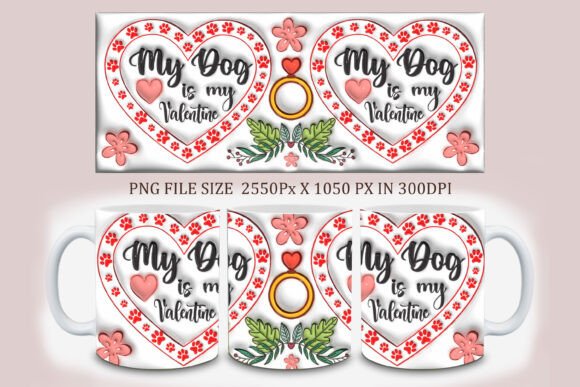
Unlocking Creativity with 3D Inflated Mug Design: A Guide to Dog Valentine Digital Art
In the rapidly evolving world of digital design and print-on-demand commerce, finding unique, high-quality assets is the key to standing out. One trend that has captured the hearts of creators and consumers alike is the 3D Inflated Mug Design, particularly when paired with charming themes like Dog Valentine. This specific aesthetic combines the tactile illusion of puffy, balloon-like textures with the emotional warmth of pet-themed holiday art. For designers, crafters, and small business owners, understanding how to leverage these assets can transform a simple project into a best-selling product.
This article explores the significance of these digital designs, their practical applications in modern creativity, and the technical considerations necessary to achieve professional results. Whether you are a beginner looking to start your first sublimation project or an experienced designer seeking fresh inspiration, this guide will help you navigate the potential of 3D inflated art.
The Appeal of 3D Inflated Aesthetics in Modern Design
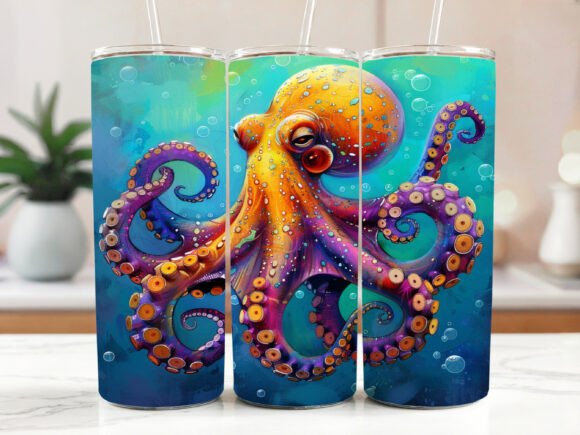
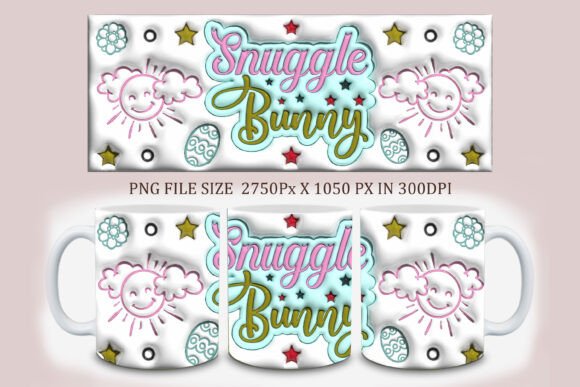
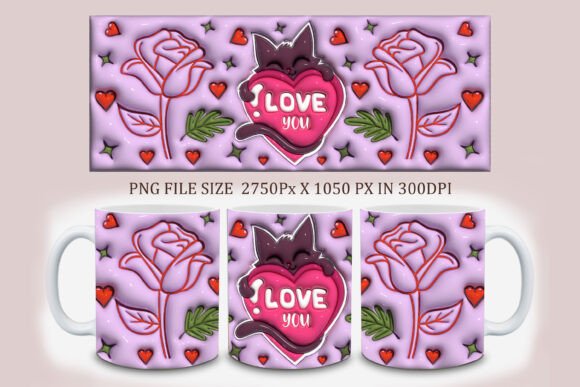
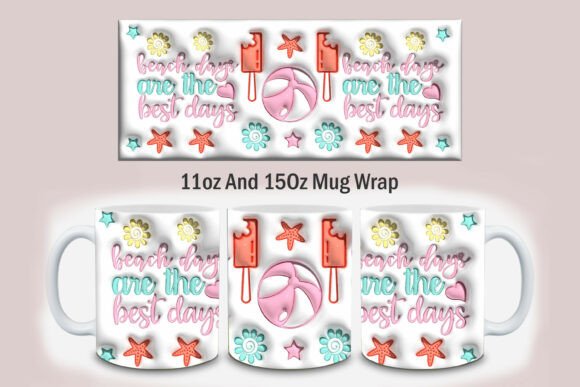
The "inflated" or "puffy" design style has surged in popularity across social media platforms and digital marketplaces. Unlike flat vector art, 3D inflated designs mimic the look of soft, air-filled balloons or plush toys. This style triggers a sensory response; viewers can almost feel the smooth, rounded surfaces. When applied to a Dog Valentine theme, the effect is doubly powerful. It merges the cuteness of canine companions with the romantic, playful spirit of Valentine’s Day, creating an image that is both visually striking and emotionally resonant.
For customers, these designs offer a sense of novelty. A standard photo of a dog on a mug is common. However, a stylized, 3D-rendered dog that appears to be made of shiny, inflated vinyl creates a moment of delight. This distinction is crucial in a saturated market where uniqueness drives sales. The 3D effect adds depth and dimension, making the artwork pop off the screen and, subsequently, off the printed product.
Why Quality Clip Art Matters for Creative Projects
Not all digital files are created equal. The difference between a amateur-looking product and a professional one often lies in the resolution and format of the source file. High-quality clip art designs, such as the ones featured in this collection, are engineered for versatility. They are not just images; they are tools for creation. These files are perfect for a multitude of creative projects, including:
- Sublimation products: Mugs, tumblers, and phone cases require high-resolution images to prevent pixelation.
- Cards and stationery: Crisp lines ensure that printed greetings look sharp and elegant.
- Frame artwork: Home decor demands vibrant colors and clear details.
- Scrapbooks: Digital scrapbooking benefits from transparent backgrounds and layered elements.
- Apparel and accessories: T-shirts, pillows, bags, and stickers all rely on durable, high-DPI graphics.
By using premium assets, creators save time on editing and ensure that the final output meets customer expectations. The Dog Valentine theme, in particular, lends itself well to these varied applications because it appeals to a broad demographic of pet lovers and holiday shoppers.
Technical Specifications: Understanding File Requirements
To fully utilize these designs, it is essential to understand the technical specifications provided. Knowledge of file formats and resolution is fundamental to digital printing. The digital files provided in this package are in PNG format at 300 DPI (dots per inch). But what does this mean for your workflow?
300 DPI is the industry standard for high-quality printing. It ensures that when the image is printed, the dots of ink are packed closely enough together that the human eye perceives a smooth, continuous image rather than a blocky, pixelated one. Lower resolutions, such as 72 DPI (common for web use), will appear blurry when printed on physical objects like mugs or t-shirts.
The specific dimensions provided are optimized for a standard 11oz mug, measuring approximately 8.5 x 3.5 inches (or 2500px x 1050px). This aspect ratio is critical. If you attempt to stretch a square image to fit a rectangular mug wrap, the design will distort, making the 3D inflated effect look unnatural. By providing files pre-sized for this common product, the designer removes a significant barrier to entry for beginners.
Software and Hardware Needs
Before diving into your project, ensure you have the necessary tools. You will need a computer to unzip the downloaded files. Most modern operating systems, including Windows and macOS, have built-in extraction tools. Once unzipped, you will need a design editing program that supports JPG and PNG file formats.
Popular options include:
- Adobe Photoshop: The industry leader for raster graphics, offering advanced control over layers and color correction.
- GIMP: A free, open-source alternative that provides robust features for handling PNG files.
- Canva: A user-friendly, web-based platform ideal for beginners who want to drag and drop designs onto templates.
- Procreate: Excellent for iPad users who wish to integrate the clip art into hand-drawn illustrations.
Regardless of the software chosen, the key is ensuring it preserves the transparency of the PNG files. Transparency allows the 3D dog design to sit seamlessly on any background color or pattern without a white box surrounding it.
Practical Applications and Business Potential
The 3D Inflated Mug Design, Dog Valentine is more than just a pretty picture; it is a viable product asset for small businesses. The print-on-demand (POD) model has lowered the barrier to entry for entrepreneurs. With these digital files, you can create a cohesive collection of Valentine’s Day products.
Consider the following business strategies:
- Bundling: Offer a matching set of a mug, a tote bag, and a sticker sheet featuring the same 3D dog design.
- Personalization: Use the clip art as a central element and add custom text, such as "Best Dog Mom" or a pet’s name, to increase perceived value.
- Seasonal Marketing: While themed for Valentine’s Day, the cute aesthetic can be adapted for other holidays by changing background colors or adding minor graphical elements.
By focusing on niche interests—such as dog lovers who appreciate modern, 3D art styles—you can target specific audiences more effectively than general retailers. This targeted approach often leads to higher conversion rates and customer loyalty.
Managing Expectations: Color and Print Variations
One of the most common misunderstandings in digital printing is the expectation of exact color matching. It is important to note that actual colors may vary slightly due to monitor settings. Screens emit light, while prints reflect light, leading to inherent differences in how colors are perceived. A vibrant red on a calibrated gaming monitor may look darker on a standard laptop screen or when printed on ceramic.
Furthermore, depending on how you choose to print out the image, colors and quality may vary. Factors influencing the final output include:
- Printer type: Sublimation printers produce different results than inkjet or laser printers.
- Material: The coating on a mug, the fabric of a t-shirt, and the gloss of a sticker all interact with ink differently.
- Ink quality: Professional-grade inks offer better color saturation and longevity than consumer-grade cartridges.
To mitigate these issues, it is advisable to print test samples. Adjust brightness and contrast in your editing software if the initial prints appear too dark or washed out. Understanding these variables helps manage customer expectations and reduces the likelihood of returns or dissatisfaction.
Conclusion: Elevating Your Creative Workflow
The 3D Inflated Mug Design, Dog Valentine represents a fusion of technical precision and artistic charm. By utilizing high-resolution, properly formatted digital files, creators can produce professional-grade products that resonate with modern consumers. Whether you are designing for personal enjoyment or commercial gain, the versatility of these clip art designs offers endless possibilities.
Remember to respect the technical requirements: use a computer to unzip files, employ compatible design software, and adhere to the 300 DPI standard for crisp prints. Acknowledge the nuances of color variation and invest time in testing your printing process. By doing so, you ensure that the delightful, puffy aesthetic of the 3D inflated dog translates perfectly from screen to physical product. Embrace this trend, experiment with different substrates, and let your creativity inflate new opportunities in your design journey.