Understanding the Value and Application of 3D Headphone Icon Design in Modern Digital Projects
In the rapidly evolving landscape of digital aesthetics, visual elements serve as the primary interface between a brand and its audience. Among these elements, 3D Headphone Icon Design has emerged as a critical asset for creators working in audio, technology, gaming, and entertainment sectors. Unlike flat vector graphics, three-dimensional icons offer depth, realism, and tactile appeal that can significantly enhance user engagement. However, integrating such specific assets requires a broader understanding of how they interact with other design components, such as background textures, seasonal themes, and patterned papers.
When evaluating resources for your next project, it is essential to look beyond the icon itself. A successful design ecosystem often combines high-quality focal points, like a 3D headphone model, with versatile supporting materials. This includes everything from spring and summer background designs to high-resolution texture packs and digital paper patterns. By understanding the distinct roles these elements play, designers and content creators can make more informed decisions about which assets truly add value to their workflows.
The Distinct Appeal of Three-Dimensional Audio Icons
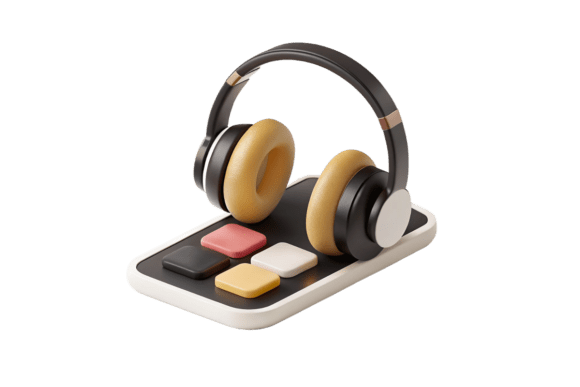
The shift from two-dimensional flat design to 3D aesthetics represents more than just a trend; it reflects a desire for greater immersion. A 3D Headphone Icon Design stands out because it mimics physical objects, providing shadows, highlights, and perspective that flat icons cannot achieve without complex shading techniques. This realism is particularly effective in industries where product quality and technical sophistication are key selling points.
For instance, a podcast cover art or a music streaming app interface benefits immensely from the tangible feel of 3D graphics. The icon suggests high-fidelity sound and modern technology. When comparing this approach to traditional line art or minimalist symbols, the 3D option commands more visual weight. It draws the eye immediately, making it ideal for hero sections on websites, promotional banners, or packaging where immediate recognition is crucial.
However, the utility of these icons extends beyond mere aesthetics. They serve as functional signifiers. In user experience (UX) design, a well-rendered 3D headphone icon can indicate audio settings, mute functions, or premium content access with greater clarity than abstract symbols. The depth cues help users distinguish interactive elements from static background noise, reducing cognitive load and improving navigation efficiency.
Integrating Icons with Seasonal and Textural Backgrounds
While a strong icon is vital, its impact is heavily influenced by the context in which it is placed. This is where the importance of complementary assets like Spring Background Design and Summer Background Design comes into play. These seasonal themes are not merely decorative; they set the emotional tone of the project.
A 3D headphone icon placed against a vibrant summer background might suggest outdoor festivals, beach parties, or energetic workout playlists. Conversely, the same icon paired with a soft spring background could imply renewal, acoustic sessions, or mindful listening experiences. The choice of background dictates the narrative. Designers must evaluate whether the lighting and color palette of the 3D icon harmonize with the seasonal theme. A mismatch in lighting direction or color temperature can make even the highest quality icon look out of place.
Furthermore, Texture Design plays a pivotal role in grounding these digital elements. Purely digital renders can sometimes appear too clean or sterile. Introducing subtle textures—such as grain, paper fiber, or fabric weaves—adds warmth and authenticity. When you combine a sleek 3D headphone render with a textured background, you create a juxtaposition that feels both modern and organic. This balance is particularly important for brands aiming to appear approachable rather than purely technical.
The Versatility of High-Resolution Pattern Digital Paper
Beyond seasonal backgrounds, the foundation of many creative projects lies in versatile pattern resources. An Amazing pattern digital paper background offers unparalleled flexibility for a wide range of applications. Whether you are designing for print, wallpapers, cards, fashion projects, websites, packaging, crafts, printing, party packs, blog backgrounds, papercraft, or scrapbooking, the right pattern can unify disparate elements.
The key advantage of high-quality digital paper packs is their adaptability. For example, a geometric pattern might work well for a tech blog background, while a floral motif suits wedding invitations or spring-themed social media posts. When selecting these resources, resolution is paramount. Low-resolution images pixelate when scaled, ruining the professional look of the final product. Therefore, opting for High resolution files ensures that your designs remain crisp whether viewed on a mobile screen or printed on large-format posters.
Consider the workflow implications. A single pack of digital papers that can be used for digital scrapbooking, crafts, and website headers provides better value than purchasing separate assets for each medium. This consolidation simplifies file management and ensures visual consistency across all brand touchpoints. It allows creators to maintain a cohesive identity whether they are producing physical merchandise or digital content.
Evaluating Format and Quality: PNG vs. Other Formats
When acquiring design assets, the file format is as important as the visual content. For elements like 3D icons and patterned backgrounds, PNG (Portable Network Graphics) is often the preferred format. PNGs support transparency, which is crucial for layering. A 3D headphone icon with a transparent background can be placed over any color or texture without unsightly white boxes around the edges. This flexibility is essential for composite designs where multiple layers interact.
Additionally, PNG is a lossless format, meaning it retains all image data without compression artifacts. This is vital for maintaining the sharp edges and smooth gradients characteristic of high-quality 3D renders. While JPEGs offer smaller file sizes, they introduce noise and blurring that can degrade the professional appearance of detailed icons and intricate patterns. For web use, optimized PNGs strike a balance between quality and load speed, ensuring that visual fidelity does not come at the cost of performance.
It is also worth noting the quantity aspect. Many resource packs offer a limited number of files, which may restrict creative experimentation. A pack that provides a substantial Quantity of variations—different angles, colors, or pattern repeats—allows for greater creative freedom. This variety enables designers to A/B test different visuals to see what resonates best with their audience, rather than being locked into a single option.
Making the Right Choice for Your Project
Deciding whether to invest in specialized assets like 3D headphone icons or broad-spectrum pattern packs depends on your specific goals. If your primary focus is branding for an audio-related service, the 3D icon is non-negotiable. It serves as a core identifier. However, if you are a generalist creator working on diverse projects—from party invitations to blog headers—the versatility of pattern digital papers and seasonal backgrounds may offer more immediate utility.
Ideally, a balanced toolkit includes both. Use the 3D icon as your anchor for specific campaigns, and leverage the background and texture resources to create context and variety. Always prioritize high resolution and proper formatting to ensure longevity and usability across different platforms. By carefully evaluating the interplay between focal icons and supporting textures, you can create designs that are not only visually striking but also functionally robust and adaptable to changing trends.
Ultimately, the best design resources are those that save time while enhancing quality. Look for assets that are ready to use, require minimal editing, and integrate seamlessly into your existing workflow. Whether you are updating a website, launching a new product package, or creating content for social media, the right combination of 3D elements and textured backgrounds can elevate your work from ordinary to exceptional.