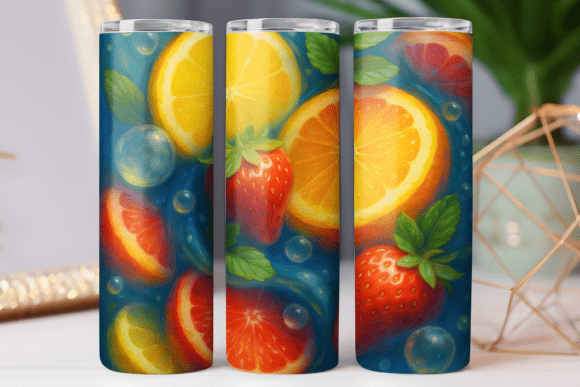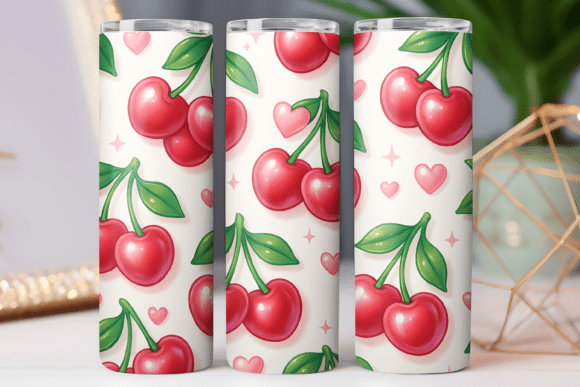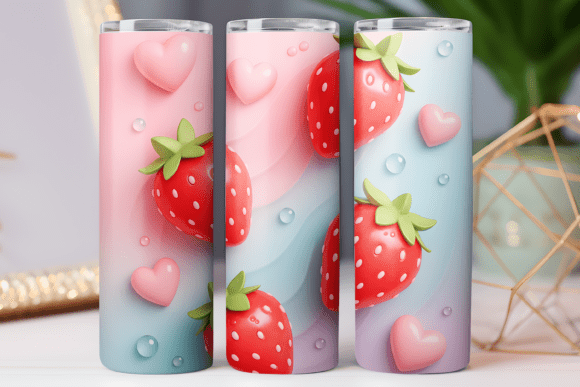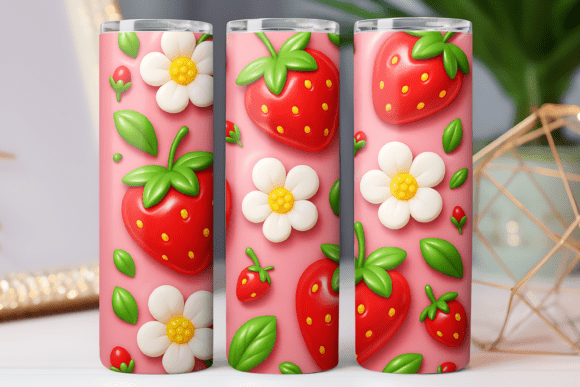
Mastering the Fruit Print 3d Tumbler Wrap Skinny Art for Flawless Sublimation
The market for custom drinkware has exploded, with personalized tumblers becoming a staple for small business owners, craft enthusiasts, and gift-givers alike. Among the most popular styles is the Fruit Print 3d Tumbler Wrap Skinny Art, which combines vibrant, lifelike imagery with the sleek silhouette of a 20 oz skinny tumbler. However, achieving a professional-grade finish requires more than just hitting "print." Many creators stumble not because they lack creativity, but because they overlook critical technical details regarding file formats, dimensions, and printer settings. Understanding these nuances is the difference between a product that sells out and one that ends up in the clearance bin.
The Critical Distinction: PNG vs. SVG
One of the most common and costly misunderstandings in the sublimation community involves file types. When you purchase a Fruit print 3d Tumbler Wrap Design 20 oz Skinny Tumbler Sublimation Digital Download PNG, it is vital to recognize that this is a raster image, not a vector. This is a digital design for sublimation only; this is NOT an SVG.
Why does this matter? Vector files (SVG) are infinitely scalable and ideal for cutting machines like Cricut or Silhouette when working with vinyl. However, sublimation relies on high-resolution pixel data to transfer ink into the polymer coating of the tumbler. If you attempt to use a low-resolution JPEG or an improperly scaled SVG for full-wrap sublimation, you will encounter pixelation, blurry edges, and color banding. The Fruit Print 3d Tumbler Wrap Skinny Art provided in high-quality PNG format ensures that every droplet of water and every shade of fruit skin is rendered with crisp clarity. Always verify that your design source provides 300 DPI PNGs specifically sized for sublimation to avoid these quality pitfalls.
Precision in Dimensions: Straight vs. Tapered
Not all 20 oz skinny tumblers are created equal. A frequent error among beginners is assuming a single template fits all manufacturers. In reality, there are two primary shapes: straight-walled and tapered. Using a straight wrap on a tapered tumbler will result in unsightly wrinkles at the top or bottom, or worse, gaps where the design does not meet. Conversely, forcing a tapered design onto a straight tumbler can cause stretching distortions that ruin the 3D effect of the fruit art.
To ensure a perfect fit, you must match the design to the specific contour of your blank. All 20oz skinny tumbler designs are sized at approximately 9.3 x 8.2 inches, but the application differs. When you download this package, you will receive a ZIP file containing two distinct PNG files:
- Straight PNG: Designed for tumblers with uniform width from base to rim.
- Tapered PNG: Engineered for tumblers that narrow slightly toward the bottom.
Before printing, measure your blank. If you are unsure, test with a paper prototype. This simple step saves expensive sublimation paper and ink while ensuring the tumbler wrap png aligns perfectly with the seam.
Handling Digital Files Correctly
Technical issues often arise before the printer even warms up. The files are compressed in one ZIP File, which is standard for digital downloads to maintain file integrity and reduce download time. However, many users attempt to open or print directly from the compressed folder without extracting the contents. This can lead to corrupted prints or software errors.
You need to extract them using reliable tools such as WinZip, WinRAR, or the built-in extraction feature in Windows and macOS. Simply double-click the ZIP file and select "Extract All" to ensure the PNGs are fully accessible and uncorrupted. Treating your digital assets with care is part of professional workflow management. Once extracted, store your digital tumbler wrap files in an organized folder structure. This prevents the frustration of searching for the correct version when you have multiple orders to fulfill.
Color Management and Printer Settings
Even with the perfect Fruit Print 3d Tumbler Wrap Skinny Art, your output is only as good as your printer settings. Sublimation ink behaves differently than standard office ink. A common mistake is printing in "Standard" or "Draft" mode to save ink. This results in washed-out colors and a lack of vibrancy, particularly detrimental to fruit designs that rely on rich reds, yellows, and greens.
Always select "High Quality" or "Photo" settings in your printer driver. Additionally, ensure your color profile is set correctly. Most sublimation papers perform best with specific ICC profiles provided by the paper manufacturer. Ignoring this step can lead to color shifts where bright oranges appear muddy or leaves look brown. For a custom tumbler design to look premium, the colors must pop. Take the time to run test strips if you change paper brands or ink batches. This proactive approach minimizes waste and ensures consistency across your product line.
Application Techniques for a Seamless Finish
The final stage is the heat press application. Here, tension is key. When wrapping the sublimation tumbler wrap around the tumbler, it must be tight and smooth. Any air bubbles or loose areas will create white streaks or ghosting in the final image. Use high-temperature heat-resistant tape to secure the edges firmly. Do not overlap the tape onto the design area, as this can leave residue or block heat transfer.
Ensure your heat press is calibrated to the recommended temperature and time for your specific tumbler brand. Over-pressing can scorch the design, while under-pressing leads to faint images. The goal is a full wrap tumbler look where the seam is nearly invisible. Align the pattern carefully so that the fruit elements flow naturally across the join. This attention to detail elevates a DIY project to a professional-grade product.
Making the Right Choice for Your Business
When evaluating a tumbler design for your shop, consider the versatility and appeal of the artwork. Fruit prints are timeless and appeal to a broad demographic, from summer enthusiasts to health-conscious consumers. However, ensure the design resolution is sufficient for large-format printing. A printable tumbler wrap that looks good on a screen may fail in production if the DPI is too low.
By choosing a high-quality Fruit Print 3d Tumbler Wrap Skinny Art package that includes both straight and tapered options, you future-proof your inventory. You can cater to different customer preferences without purchasing multiple designs. This efficiency reduces cost per unit and increases your profit margin. Remember, the ease of use of a Digital tumbler wrap should not compromise quality. Look for providers who offer clear instructions, proper file formats, and responsive support.
In conclusion, success in tumbler sublimation lies in the details. From understanding the difference between PNG and SVG to mastering the heat press application, each step contributes to the final product. By avoiding common mistakes and adhering to best practices, you can create stunning, durable, and profitable custom drinkware. Whether you are a hobbyist looking to make gifts or an entrepreneur building a brand, the right tumbler template and technique will set you apart in a crowded market.