Evaluating the Practical Value of 3D Layered Islamic Design Panels for Modern Fabrication
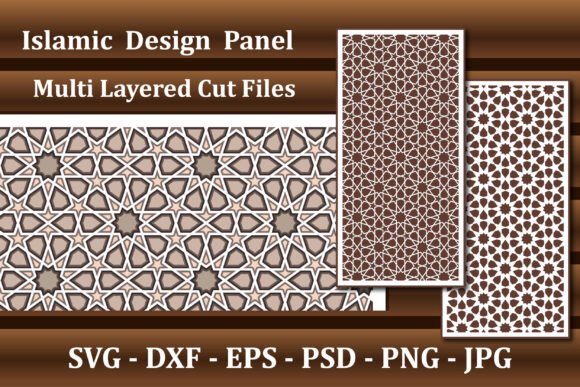
In the intersection of traditional craftsmanship and digital fabrication, few assets offer as much versatility as the 3D Layered Islamic Design Panel. For designers, architects, and serious hobbyists, the challenge often lies not in finding a pattern, but in finding a file structure that translates seamlessly from screen to physical object. This specific type of digital asset addresses that gap by providing pre-separated layers based on classic Girih ornamentation, ready for CNC cutting, laser engraving, or even intricate papercraft.
The appeal of these panels extends beyond mere aesthetics. They represent a workflow solution for creating high-end decorative wall art without the steep learning curve of manually vectorizing complex geometric patterns. By understanding the technical specifications and practical applications of these files, creators can significantly reduce production time while maintaining a professional finish.
The Fusion of Classic Geometry and Digital Precision
Islamic geometric art, particularly the Girih style, is renowned for its mathematical precision and infinite repeatability. Translating this into a 3D Layered Panel with Islamic design geometric classic pattern requires more than just a flat image; it demands a deep understanding of depth, shadow, and structural integrity. The primary value proposition of these digital packs is the preservation of ornate, abstract geometric patterns in a format that respects the limitations and capabilities of modern cutting machines.
Unlike simple silhouette cutouts, a layered approach allows for the creation of genuine three-dimensional depth. When executed correctly, the interplay of light and shadow across the different strata enhances the visual complexity of the Girih ornament. This is not merely a flat decoration but a textured surface that changes appearance depending on the viewing angle and lighting conditions. For interior designers and DIY enthusiasts, this offers a cost-effective method to produce bespoke architectural elements that mimic high-end carved wood or stone work.
Technical Specifications and File Versatility
The utility of any digital crafting asset is determined by its compatibility with various software and hardware ecosystems. A robust 3D Layered Islamic Design Panel package typically includes a suite of file formats designed to cover the entire spectrum of digital fabrication tools. Understanding what each format offers is crucial for efficient workflow integration.
- Vector Files (EPS, SVG, DXF): These are the backbone of the package. Vector formats ensure that the design can be scaled to any size without loss of quality. Whether you are creating a small coaster or a large feature wall panel, the lines remain crisp. DXF files are particularly essential for users operating industrial CNC routers, while SVG and EPS are standard for desktop laser cutters and design software like Adobe Illustrator or CorelDRAW.
- PSD with Layers: The inclusion of a high-resolution Photoshop file (5000 x 2500px) is a significant advantage for visualizers and printers. It allows users to manipulate colors, adjust contrast, and preview how different material finishes might look before committing to physical production. The separation of layers in the PSD enables rapid prototyping of color combinations.
- Raster Images (PNG and JPG): High-resolution PNGs with transparent backgrounds are invaluable for digital mockups, web content, or sublimation printing. The provision of separate files for each layer ensures that users can isolate specific elements for partial cutting or printing effects.
The aspect ratio of 2:1 provides a balanced rectangular composition that fits well in standard framing options and architectural niches. This flexibility means the template is not restricted to square formats, offering a more dynamic presence on vertical surfaces.
Practical Applications Across Different Mediums
The true test of a digital template is its adaptability. A well-structured 3D Layered Islamic Design Panel is not limited to a single material or machine. Its modular nature allows for diverse creative outputs, catering to both beginners and advanced fabricators.
Laser Cutting and CNC Routing
For woodworkers and sign makers, these templates are ideal for creating multi-layered wall art. By cutting each layer from materials of varying thicknesses—such as 3mm MDF, acrylic, or plywood—and stacking them with spacers, one can achieve a pronounced 3D effect. The geometric precision of the Girih pattern ensures that pieces fit together snugly, minimizing the need for extensive post-processing or sanding. The vector files allow for precise nesting, which helps optimize material usage and reduce waste.
Papercraft and Light Boxes
On a smaller scale, these designs excel in papercutting projects. Using cardstock or heavy-weight paper, crafters can create intricate shadow boxes. When backlit with LED strips, the layered geometric patterns cast dramatic shadows, transforming a simple paper craft into a sophisticated lighting fixture. The transparency of the PNG files aids in aligning these delicate layers during assembly.
Vinyl and Flat Decor
Not every project requires depth. The individual layers can be used separately to create flat vinyl decals for windows, laptops, or furniture. This modularity allows marketers and small business owners to create branded merchandise featuring traditional motifs without the overhead of 3D fabrication. The ability to isolate specific geometric elements provides endless variations from a single source file.
Usability and Workflow Efficiency
From a professional standpoint, the time saved by using pre-layered templates cannot be overstated. Manually separating a complex Islamic geometric pattern into distinct cuttable layers is a tedious process that requires advanced vector skills. Errors in layer separation can lead to structural weaknesses in the final product or misalignment during assembly.
These digital files mitigate those risks. The layers are already optimized for typical material thicknesses, ensuring that overcuts and undercuts are minimized. For educators teaching digital fabrication, these files serve as excellent teaching aids, allowing students to focus on machine operation and material science rather than spending hours on file preparation.
However, users must remain mindful of their machine’s capabilities. While the files are scalable, cutting extremely small details in thick materials may require specific bit sizes or laser power settings. It is advisable to perform test cuts on scrap material to fine-tune feed rates and power levels, especially when working with dense hardwoods or reflective acrylics.
Who Benefits Most from This Asset?
The audience for a 3D Layered Islamic Design Panel is broad, but certain groups will find disproportionate value in this resource:
- Etsy Sellers and Craft Entrepreneurs: Those looking to expand their product line with unique, culturally rich decor items can use these files to create differentiated products. The ability to offer customizable colors via the PSD files adds a premium service option.
- Interior Designers: Professionals seeking custom wall treatments for clients interested in Middle Eastern or bohemian aesthetics can use these templates to commission local fabricators, ensuring exact design fidelity.
- Digital Artists and Educators: The files provide a solid foundation for teaching principles of symmetry, geometry, and digital manufacturing. They also serve as base layers for mixed-media digital art.
- Hobbyists with Cricut or Silhouette Machines: Even without industrial equipment, home crafters can use the SVG files to cut vinyl or thin cardstock, creating elegant home decor on a budget.
Long-Term Value and Considerations
When evaluating digital assets, longevity is key. Unlike physical tools that wear out, a well-made vector file remains useful indefinitely. The non-destructive nature of the provided formats means that as technology evolves—from CO2 lasers to fiber lasers, or from manual CNC to automated robotic arms—the files remain compatible.
One limitation to consider is the fixed geometric nature of the design. While the layers can be recolored, the underlying pattern is static. Users seeking highly customized modifications to the geometric logic itself will still need vector editing skills. However, for the majority of applications, the provided variations and layering options offer sufficient diversity.
In conclusion, the 3D Layered Islamic Design Panel represents a convergence of cultural heritage and modern manufacturing efficiency. It removes the technical barriers to entry for creating complex geometric art, allowing creators to focus on material selection, finishing, and presentation. For anyone involved in digital fabrication, from seasoned professionals to enthusiastic beginners, this type of resource is a worthwhile addition to their digital library, offering immediate utility and long-term creative potential.