Space Exploration 3D SVG Craft Design
The intersection of digital precision and tactile artistry has opened new frontiers for creators, allowing us to bring complex narratives into physical spaces with unprecedented ease. Among the most captivating trends in this realm is the Space Exploration 3D SVG Craft Design. This style merges the vast, mysterious allure of the cosmos with the intricate layering techniques of papercutting. It is not merely about cutting shapes; it is about constructing depth, shadow, and storytelling through stacked materials. Whether you are a seasoned designer or a hobbyist looking to elevate your home decor, understanding how to leverage these digital assets can transform simple sheets of paper or cardstock into mesmerizing three-dimensional artworks.
The Allure of Cosmic Layering
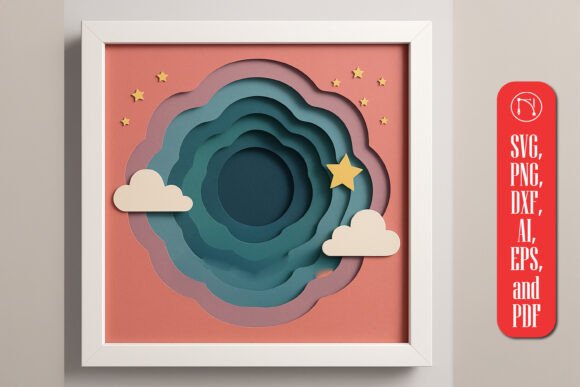
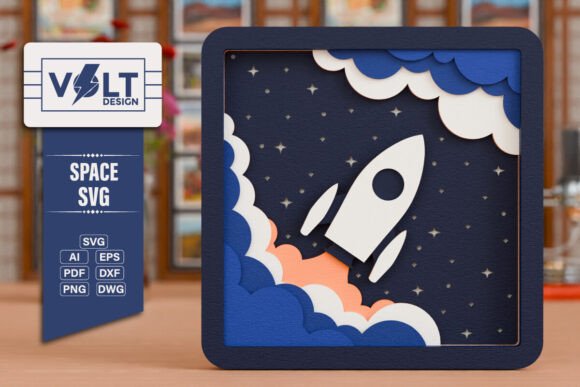
What makes space-themed designs particularly suited for 3D layered crafting is the natural gradient of the subject matter. Space is not flat; it is an infinite expanse filled with stars, planets, nebulae, and spacecraft, all existing at different distances from the observer. A well-crafted Space Exploration 3D SVG Craft Design captures this depth by separating elements into distinct layers. The foreground might feature a detailed rocket or an astronaut, the mid-ground could hold a textured moon surface or planetary rings, and the background dissolves into a starry void.
When backlit, these layers cast intricate shadows that mimic the ethereal glow of celestial bodies. This effect turns a static image into a dynamic visual experience that changes with the lighting conditions of the room. For interior designers and homeowners, this offers a sophisticated alternative to traditional printed posters. It adds texture and elegance, creating a focal point that invites contemplation and wonder.
Versatility Across Creative Projects
While wall art is the most obvious application, the utility of these digital files extends far beyond framing. The modular nature of SVG (Scalable Vector Graphics) files means they can be adapted for various mediums and purposes. Here is how different creators can integrate these designs into their workflows:
- Home Decor: Transform living spaces with stunning papercut designs. Beyond standard frames, consider mounting layers on foam board for a floating effect, or using acrylic sheets for a modern, glossy finish that reflects light differently than paper.
- Greeting Cards: Craft unique and heartfelt cards for birthdays, graduations, or achievements. The intricate papercut patterns create a visual feast for recipients, making your messages memorable. A small, layered galaxy design inside a card can convey a sense of "limitless potential" without saying a word.
- Scrapbooking: Elevate memory-keeping projects with intricate embellishments. Instead of flat stickers, use laser-cut or machine-cut layers to add dimension to pages documenting travel, scientific interests, or night-sky photography.
- Educational Tools: Educators can use these designs to teach concepts of scale, astronomy, and geometry. Assembling the layers requires understanding spatial relationships, making it a hands-on STEM activity that blends art with science.
Technical Workflow and File Compatibility
To achieve professional results, starting with the right digital assets is crucial. When you purchase a high-quality design package, such as a Flower SVG laser cutting file or a space-themed equivalent, you are typically receiving a comprehensive suite of file formats. Understanding how to use each format ensures compatibility with your specific tools and software.
A standard download usually includes:
- AI and EPS files: Ideal for Adobe Illustrator users who need to edit vector paths, adjust anchor points, or customize colors before cutting.
- SVG files: The universal standard for web-based cutting software like Cricut Design Space or Silhouette Studio. These retain scalability without losing quality.
- DXF and DWG files: Essential for users operating industrial laser cutters or CAD software. These formats ensure precise geometric data transfer for larger-scale production.
- PNG and PDF files: Useful for previewing the design, printing reference guides, or using in non-vector graphic design projects.
It is important to note that these are digital downloads. No physical item will be shipped to you. This model empowers creators with immediate access and the freedom to produce as many copies as needed, whether for personal use or commercial sales of physical items.
Step-by-Step Assembly Guide
Creating a 3D layered piece requires patience and precision. Here is a practical workflow to ensure your final product looks polished and professional:
- Download and Extract: Save the zip archive to your computer and extract all files. Organize them in a dedicated folder to avoid confusion during the design phase.
- Upload to Software: Import the SVG or DXF file into your preferred cutting software. Check the scale to ensure it fits your material dimensions.
- Prepare the Machine: Load your chosen material—cardstock, vellum, or thin wood—into your cutting machine. Ensure the blade depth and pressure settings are optimized for the material thickness to achieve clean cuts without tearing.
- Cut Each Layer: Cut the layers sequentially. It is often helpful to label each piece lightly on the back with a pencil to track its position in the stack.
- Stack and Assemble: Follow the serial order provided in the design instructions. Use foam tape or spacers between layers to create depth. Start from the background and work your way forward, ensuring alignment is perfect at each step.
Commercial and Personal Applications
For entrepreneurs and small business owners, these designs offer a scalable product line. Since you can sell the physical project, you can create limited edition wall art, custom greeting cards, or decorative lamp shades. The key to success lies in material selection and presentation. Using high-quality, acid-free paper ensures longevity, while thoughtful packaging enhances the perceived value.
Marketers and bloggers can also leverage these visuals. High-resolution renders of the assembled 3D art make for compelling social media content, driving engagement through behind-the-scenes assembly videos or time-lapse creations. The visual appeal of layered space art naturally stops the scroll, providing an opportunity to share creative processes and inspire followers.
Maintaining Quality and Originality
While using pre-made SVG files provides a strong foundation, adding your personal touch ensures originality. Consider experimenting with color palettes that deviate from the traditional black-and-white contrast. Deep blues, purples, and metallic golds can evoke a more vibrant cosmic feel. Additionally, mixing materials—such as combining translucent vellum for nebulae with opaque cardstock for planets—adds textural variety that enhances the three-dimensional effect.
Consistency is vital when producing multiple items. Keep your cutting mats clean, replace blades regularly, and maintain a standardized assembly process. This attention to detail ensures that every piece you create meets a high standard of craftsmanship, whether it is a gift for a loved one or a product for your online store.
In conclusion, the Space Exploration 3D SVG Craft Design represents more than just a trend; it is a versatile tool for creative expression. By combining digital precision with hands-on assembly, creators can produce works that are both visually striking and emotionally resonant. Whether you are decorating your home, crafting a unique gift, or building a small business, these designs provide the structure and inspiration needed to bring your cosmic visions to life.