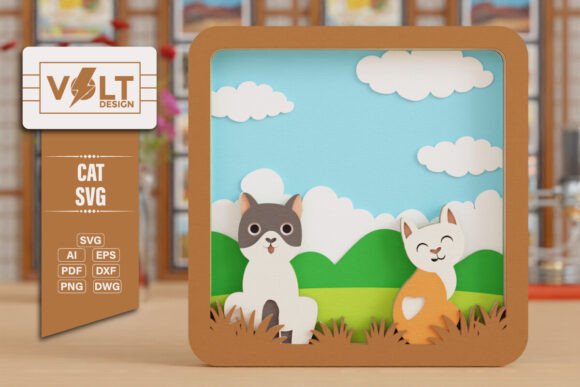
Cat 3D SVG Craft Design: Integrating Layered Digital Assets into Your Creative Workflow
In the evolving landscape of digital fabrication, the transition from a flat concept to a tangible, three-dimensional object requires more than just a cutting machine; it demands precision planning and high-quality source files. The Cat 3D SVG Craft Design represents a specific category of layered papercut art that bridges the gap between digital design and physical decor. For creators, small business owners, and hobbyists, understanding how to integrate these assets into a broader production workflow is essential for maximizing efficiency and ensuring professional-grade results.
This article explores the practical implementation of multi-layered SVG designs, focusing on preparation, compatibility, and the strategic use of digital assets in home decor, gifting, and commercial projects. By treating the download not merely as a file but as a component of a larger creative process, you can streamline your workflow from extraction to final assembly.
Understanding the Asset Package and File Compatibility
When you acquire a digital craft design, the value lies not just in the visual preview but in the versatility of the file formats provided. A comprehensive package for a Cat 3D SVG Craft Design typically includes AI, EPS, SVG, PNG, PDF, DXF, and DWG files. Each format serves a distinct purpose within different software ecosystems and hardware setups.
- SVG and DXF: These are the primary formats for most consumer-grade cutting machines like Cricut and Silhouette. They maintain vector scalability, ensuring clean cuts regardless of the project size.
- AI and EPS: Ideal for professional designers using Adobe Illustrator or CorelDRAW. These formats allow for deep customization, such as adjusting anchor points or modifying layer depths before sending the job to the cutter.
- PNG and PDF: Useful for previewing the final look, creating printed instructions, or using in digital mockups for marketing materials.
- DWG: Often used in industrial design and architecture software, providing compatibility for users working in AutoCAD environments.
Before beginning any project, verify which format aligns with your current software stack. Using the correct file type reduces the need for conversion, which can sometimes introduce errors or lose layer information. This initial step of file selection is critical for maintaining data integrity throughout the production process.
Preparation and Digital Organization
Efficiency in crafting begins long before the blade touches the paper. Once you have downloaded the zip archive containing the Cat 3D SVG Craft Design, the first operational step is extraction and organization. Create a dedicated folder on your computer for each project. Inside, store the original zip file as a backup and extract the working files into a subfolder.
Proper naming conventions are vital when dealing with multi-layer designs. Since 3D papercut art relies on stacking layers in a specific serial order to create depth, misidentifying a file can lead to assembly errors. Rename files clearly, such as "Layer_01_Base," "Layer_02_Midground," and "Layer_03_Foreground." This practice minimizes confusion during the upload phase and ensures that the cutting sequence matches the intended visual hierarchy.
Workflow Integration: From Software to Cutting Machine
The core of the production process involves uploading the design to your cutting software. Whether you are using proprietary software like Cricut Design Space or third-party options like Sure Cuts A Lot, the principle remains the same: import the vector file and prepare the mat layout.
- Upload the Design: Select the appropriate SVG or DXF file. Ensure that all layers are recognized individually. Some software may group elements automatically; ungroup them if necessary to assign different colors or cut settings to each layer.
- Material Selection: Choose the correct material setting in your software. For intricate papercut designs, cardstock between 160gsm and 220gsm is often ideal. It provides enough rigidity to hold its shape when stacked but is thin enough to cut cleanly without excessive pressure.
- Test Cuts: Before committing to the full project, perform a test cut on a small section of the design. This helps verify that the blade depth and pressure are optimized for the chosen paper, preventing tearing or incomplete cuts.
- Cutting Execution: Send the job to the machine. Monitor the first few cuts to ensure the paper remains adhered to the mat. Intricate details in a Cat 3D SVG Craft Design require precise adherence to prevent shifting.
Assembly and Quality Control
Once the cutting process is complete, the assembly phase begins. This is where the digital design transforms into a physical object. The key to successful 3D papercut art is patience and precision. Use foam tape or silicone spacers between layers to create the desired depth. The spacing determines how light interacts with the piece, casting shadows that enhance the three-dimensional effect.
Follow the serial order provided in the file documentation. Stacking layers incorrectly can obscure critical details or flatten the perceived depth. As you assemble, inspect each layer for stray paper bits or imperfect cuts. Minor imperfections can be corrected with a craft knife, but significant errors may require recutting specific layers. This quality control step is crucial, especially if the final product is intended for sale or gifting.
Practical Applications and Use Cases
The versatility of the Cat 3D SVG Craft Design allows it to fit into various creative and commercial workflows. Understanding these applications helps in planning projects that align with market demand or personal goals.
Home Decor and Wall Art
Transform living spaces with stunning papercut designs. When backlit, these pieces cast intricate shadows, adding an elegant touch to any room. For interior designers or DIY enthusiasts, this offers a customizable solution for unique wall art. Consider framing the assembled layers in deep-box frames to protect the delicate paper while highlighting the depth.
Greeting Cards and Personalized Gifts
Craft unique greeting cards for special occasions. The intricate patterns create a visual feast for recipients, making messages more memorable. For small business owners, offering customized cards with layered designs can differentiate your brand in a crowded market. The ability to sell the physical project adds a revenue stream for crafters who can efficiently produce these items.
Scrapbooking and Embellishments
Elevate scrapbooking projects with intricate papercut embellishments. These designs can beautifully frame photos and memories, adding depth and texture to pages. Instead of using the entire design, creators can isolate specific elements from the SVG layers to create smaller accents, maximizing the utility of a single purchase.
Commercial Considerations and Licensing
For entrepreneurs and freelancers, understanding the licensing terms is part of the professional workflow. Most digital downloads allow you to sell the physical project created from the files. This means you can produce and sell framed art, cards, or decor items. However, it is crucial to note that you cannot resell the digital files themselves. Respecting intellectual property rights ensures sustainable relationships with designers and maintains the integrity of the creative community.
When scaling production, consider the time investment per unit. Multi-layer designs require more assembly time than single-layer cuts. Factor this labor cost into your pricing strategy. Additionally, batch processing—cutting multiple layers of the same design at once—can improve efficiency and reduce material waste.
Long-Term Value and Skill Development
Integrating Cat 3D SVG Craft Design into your routine is not just about producing a single item; it is about developing a repeatable process. Over time, you will refine your material choices, optimize your cutting settings, and speed up your assembly techniques. This accumulation of tacit knowledge enhances your overall craftsmanship and operational efficiency.
Furthermore, working with layered designs improves your spatial awareness and attention to detail. These skills are transferable to other areas of design and fabrication, making the investment in high-quality digital assets a valuable step in your creative development. Whether you are a hobbyist looking to enhance your home or a professional expanding your product line, mastering the workflow of 3D papercut art opens up new possibilities for expression and commerce.
By approaching the Cat 3D SVG Craft Design with a structured mindset—focusing on file management, precise execution, and thoughtful application—you ensure that every project meets high standards of quality and aesthetic appeal. This methodical approach turns a simple digital download into a cornerstone of a productive and profitable creative practice.